
WE KNOW HOW TO DELIVER.

Proven Expertise. Meaningful Impact.
Our current projects build on a strong track record of discoveries that advance understanding, open new therapeutic avenues, and improve outcomes.
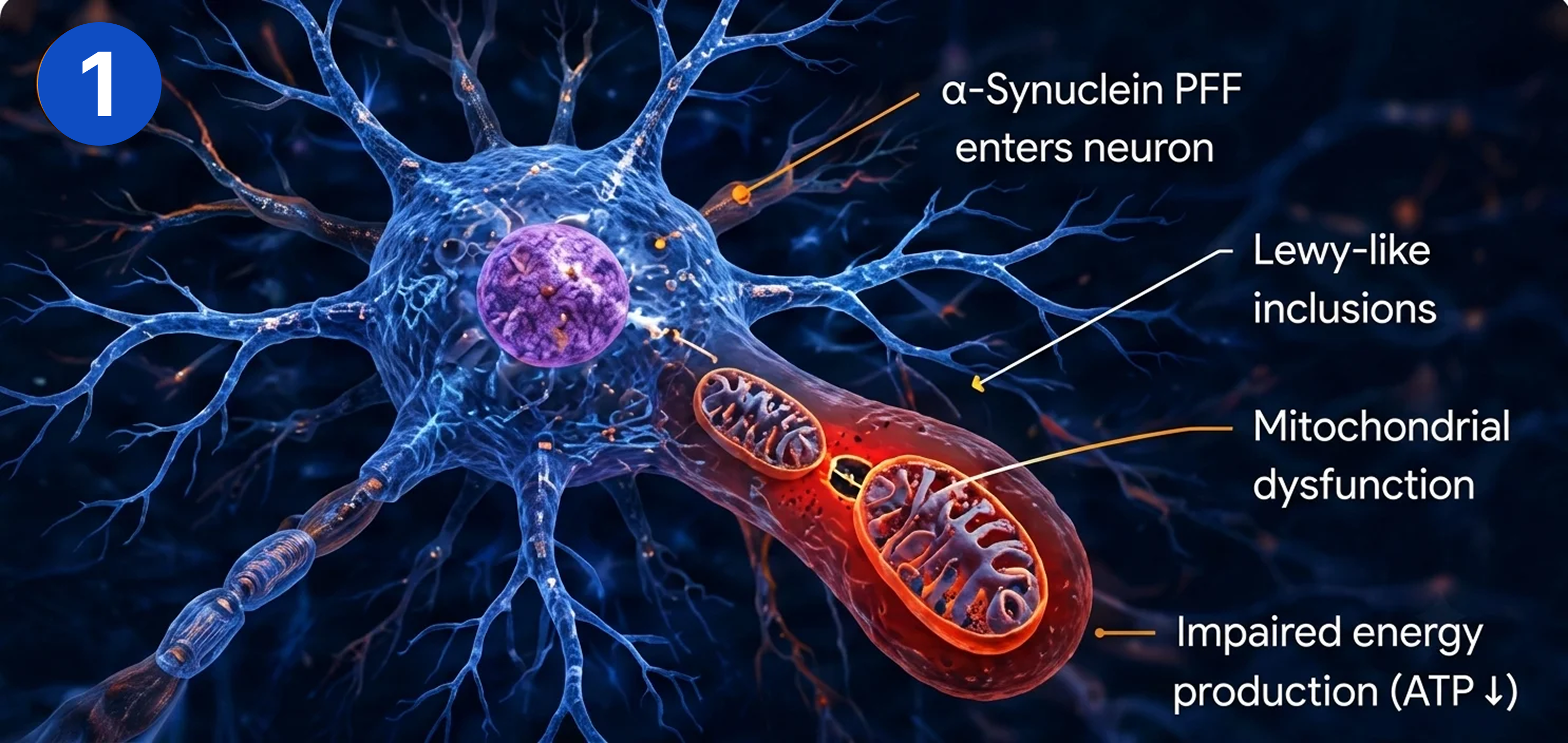
FROM MECHANISM TO DISCOVERY
Using alpha-synuclein PFF models, we recreated Lewy pathology in vulnerable neurons and discovered that it severely impairs mitochondrial energy production and increases oxidative stress. These findings identify mitochondrial dysfunction as a key driver of neuronal failure and a promising therapeutic target.



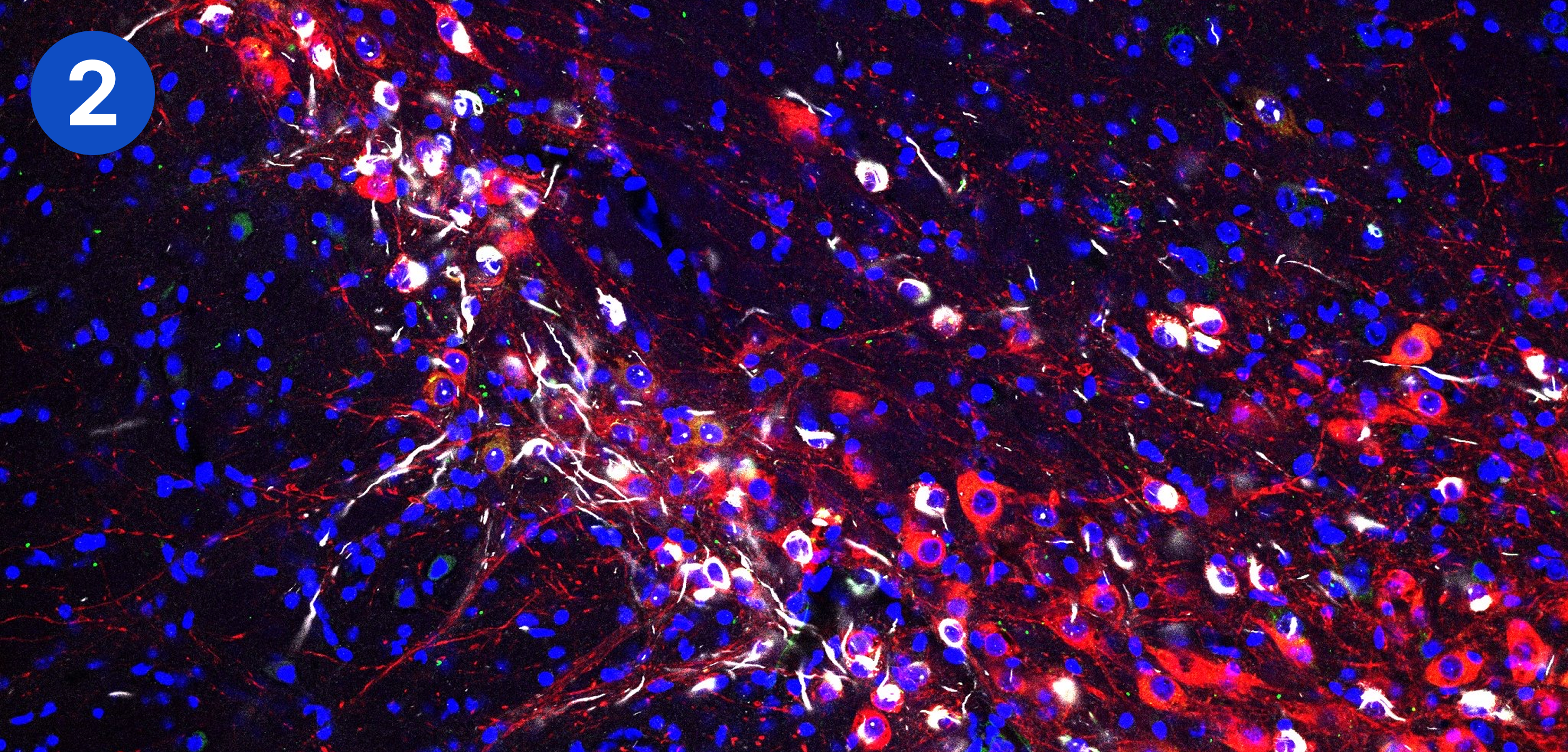
FROM INSIGHT TO CLINICAL IMPACT
We Discovered Why Some Neurons Are More Vulnerable to Lewy Pathology Than Others
Using a novel combination of retrograde viral mapping and alpha-synuclein PFF models, we showed that anatomical connectivity alone does not determine where Lewy pathology develops. Vulnerable neurons had larger axonal networks and higher mitochondrial oxidative stress, revealing cellular energy demand as a key determinant of vulnerability and identifying brain regions that may disproportionately drive the spread of pathology.

RETRO-AAV MAPPING

CELLULAR VULNERABILITY

PATHOLOGY PROPAGATION
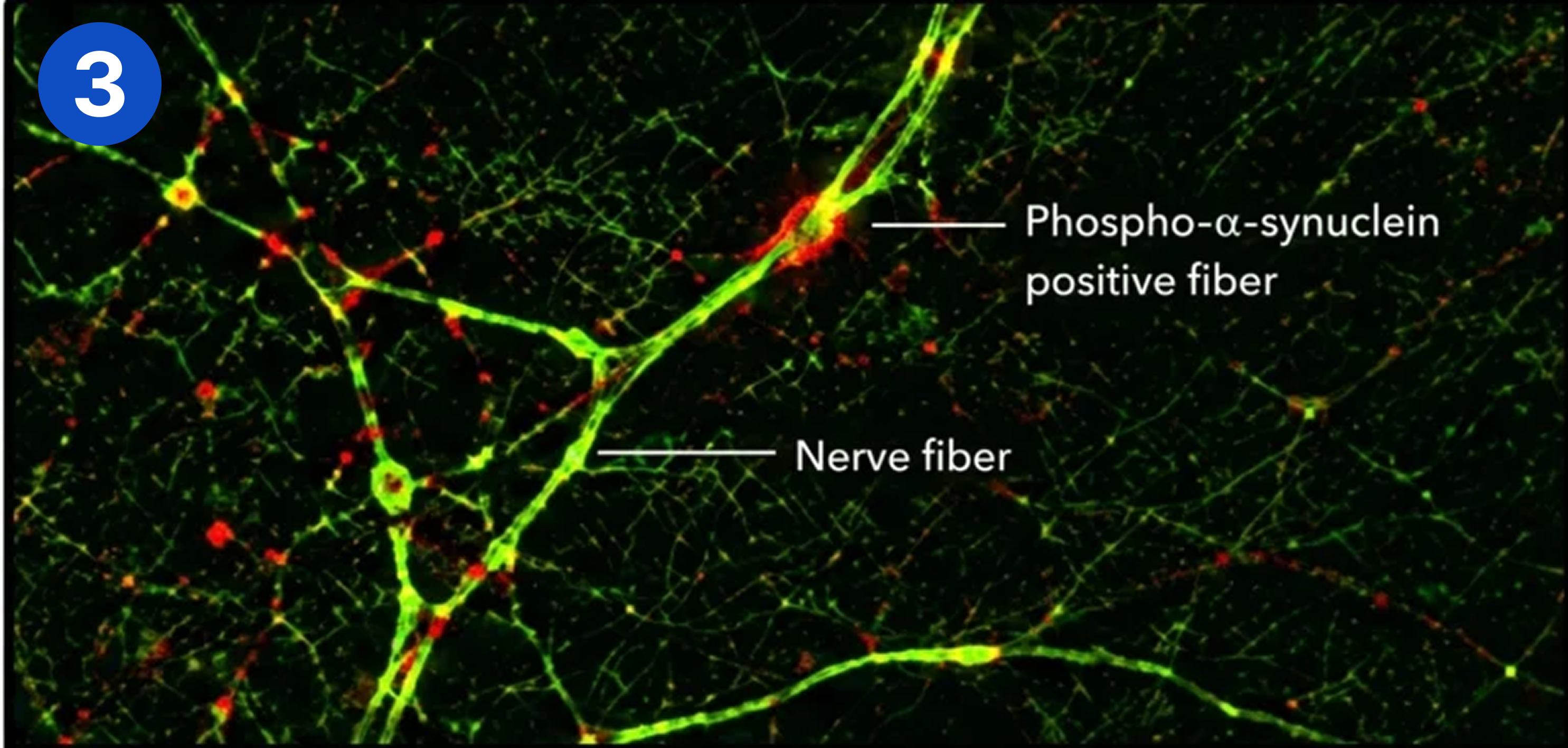
FROM OBSERVATION TO BIOMARKER
We Established Skin Phospho-Alpha-Synuclein as A Biomarker for Early Parkinson's Disease
We discovered that phosphorylated alpha-synuclein in skin nerve fibers identifies people with REM sleep behavior disorder who are at high risk for Parkinson's. Today, skin biopsy for alpha-synuclein has become an important tool in research and clinical trials worldwide.



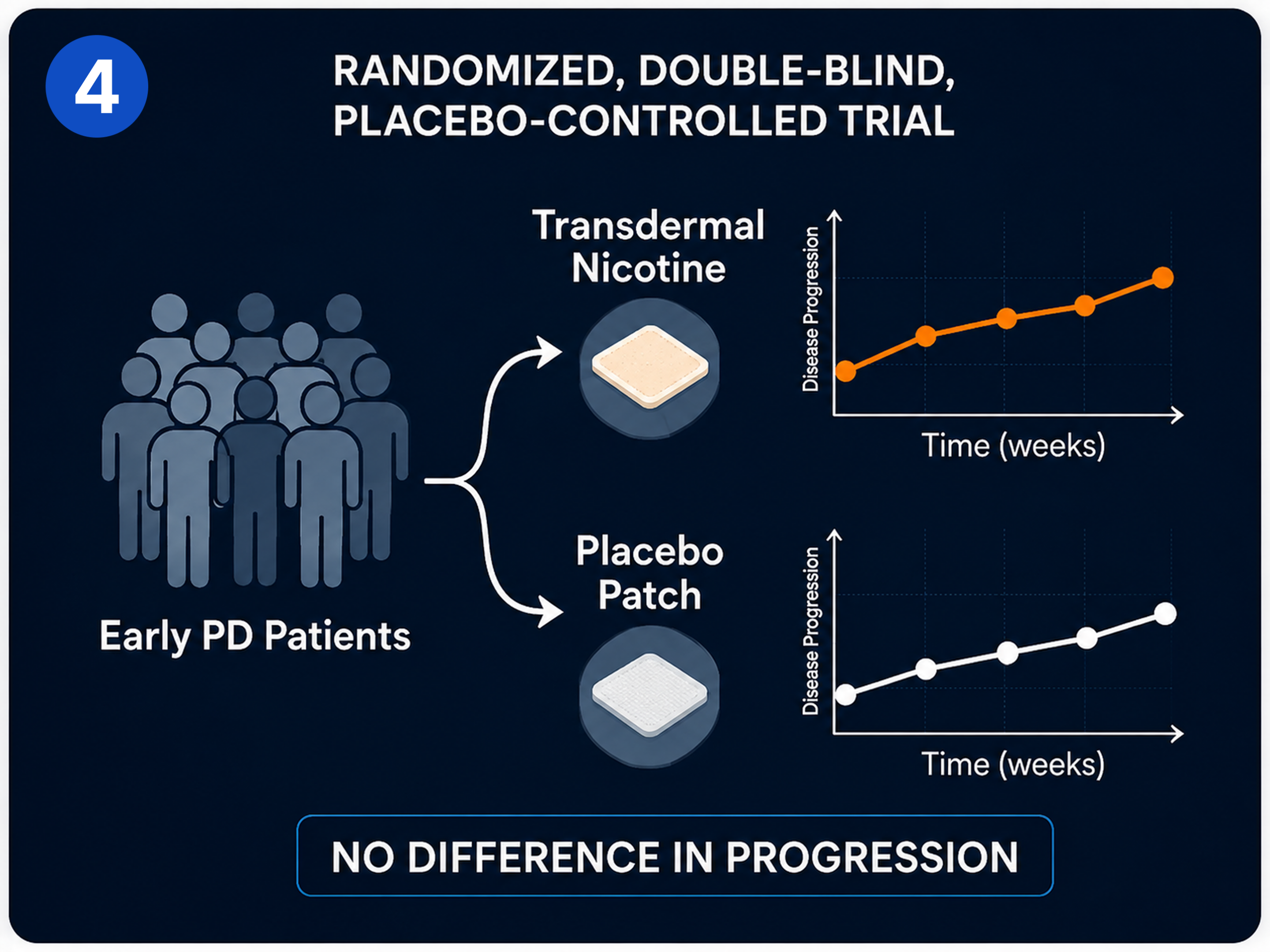
FROM HYPOTHESIS TO CLINICAL EVIDENCE
We Rigorously Tested a Long-standing Disease-modification Hypothesis in Early Parkinson’s Disease
We led a randomized, double-blind clinical trial across 24 centers in Germany and the United States to determine whether transdermal nicotine could slow early Parkinson’s progression. The study showed that one year of treatment did not slow disease progression, providing a definitive answer to a long-standing therapeutic hypothesis and demonstrating our ability to execute complex international clinical trials.

MULTICENTER CLINICAL TRIAL

TRANSATLANTIC COLLABORATION

DEFINITIVE CLINICAL EVIDENCE
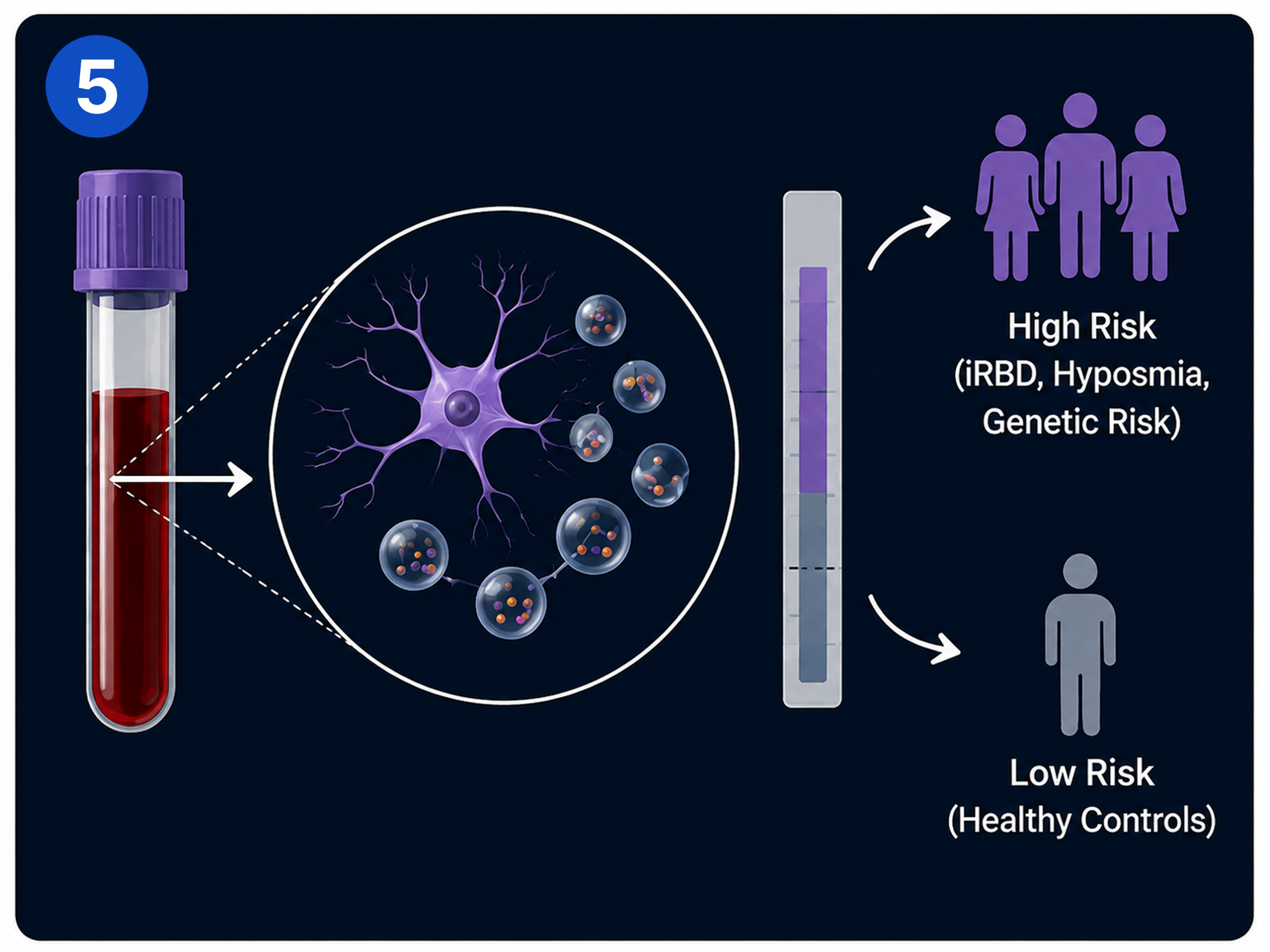
FROM BLOOD SAMPLE TO EARLY BIOMARKER
We Validated a Blood-based Alpha-synuclein Biomarker for People at High Risk of Parkinson’s Disease
Across four independent cohorts and 576 participants, we showed that alpha-synuclein measured in neuron-associated extracellular vesicles from blood can identify individuals with prodromal Parkinson’s disease. The biomarker distinguished RBD patients from controls with strong accuracy and was positive in 80% of participants who later developed Parkinson’s or related Lewy body disease.

BLOOD-BASED BIOMARKER

PRODROMAL DETECTION

MULTICENTER VALIDATION