
More Than a Movement Disorder
Parkinson’s affects everyday life. Research can lead to earlier answers and better treatments.
Beyond the Diagnosis


What Is Parkinson’s Disease?
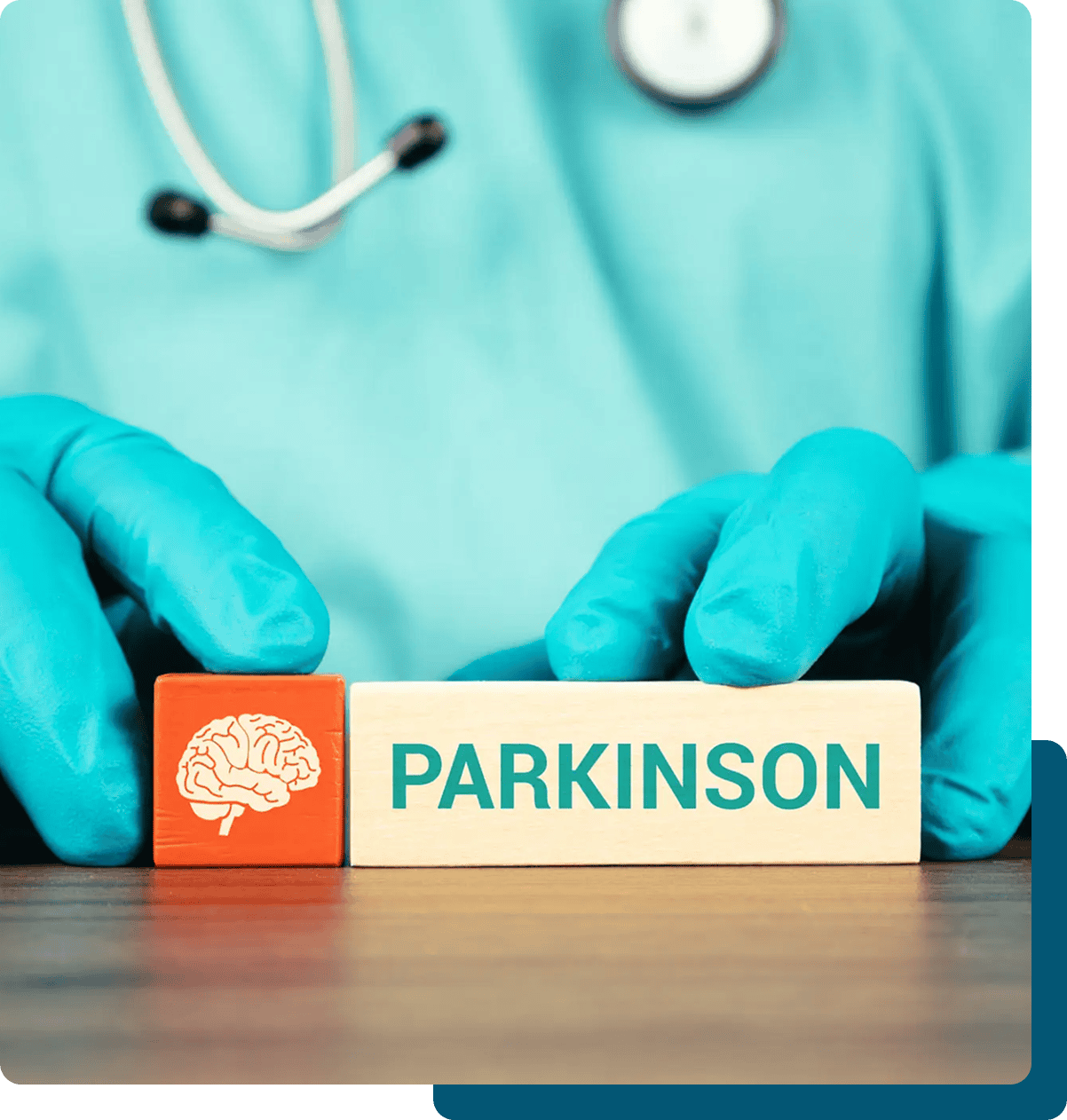
Parkinson’s disease develops as dopamine-producing nerve cells in a small brain region called the substantia nigra become damaged and are gradually lost. The resulting dopamine shortage contributes to the typical motor symptoms: slowness of movement, muscle stiffness, resting tremor, and changes in walking or balance.
Advancing Parkinson Awareness
But Parkinson’s is much more than movement. Many people experience sleep problems, constipation, reduced sense of smell, mood changes, fatigue, pain, or cognitive difficulties. Some of these begin years before motor symptoms, during the prodromal phase of Parkinson’s.
Understanding Individual Differences
No two people experience Parkinson's in exactly the same way. Symptoms, severity, and progression vary widely. This can make treatment challenging—but it also reinforces an important principle: care should be shaped around the person, not only the diagnosis. Understanding these differences is essential to developing more individualized therapies and helping people preserve independence and quality of life.
Parkinson’s in Numbers
1.1 Million
People in the United States are living with Parkinsons.
Nearly 90,000
People in the United States are diagnosed each year.
1.5 Times
Parkinson’s is more common in men than in women.
Early to Mid-60s
Is the typical age at which Parkinson’s begins.
Is the typical age at which Parkinson’s begins.
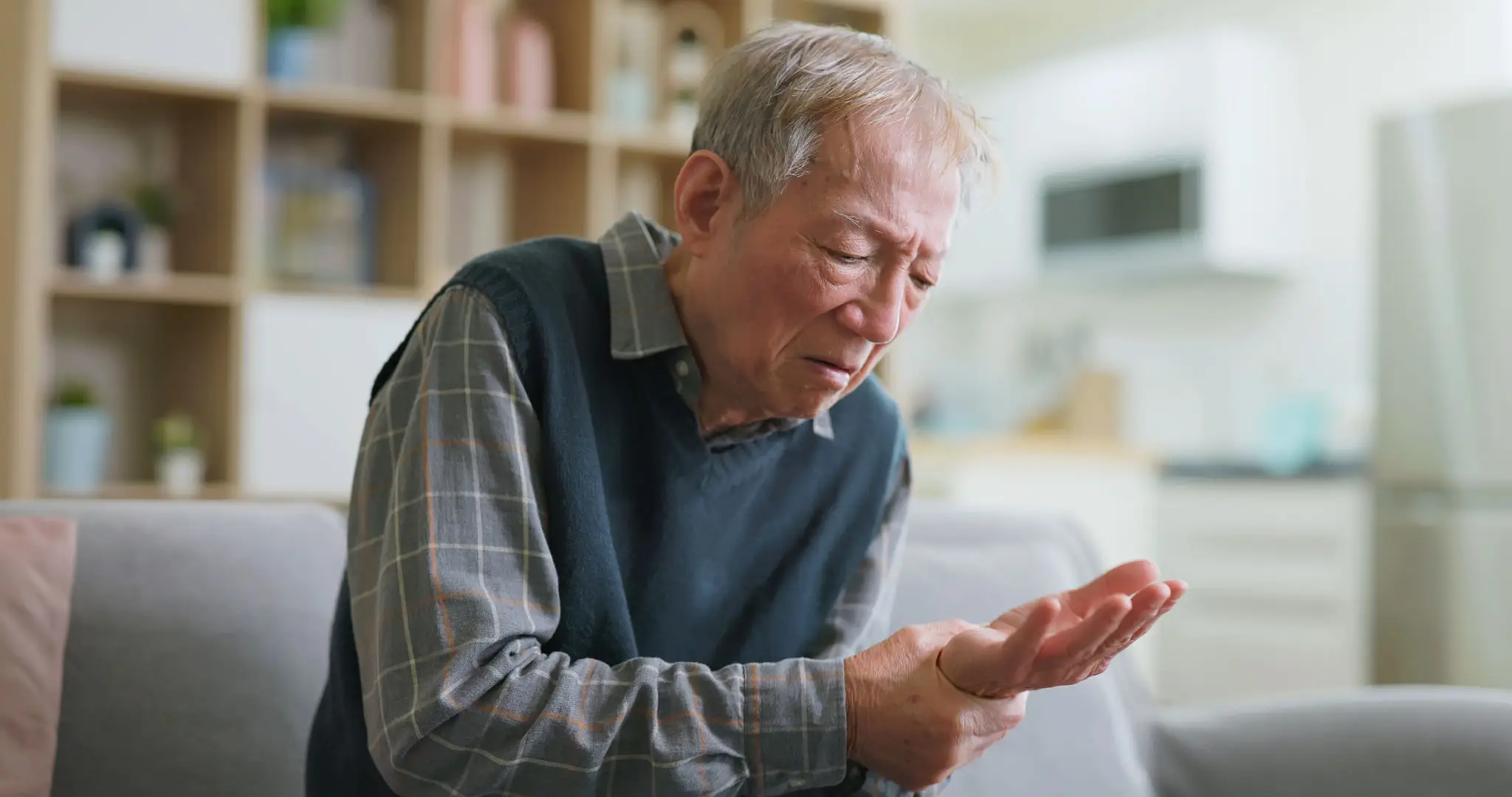
“Everybody asks about the shaking, but for me it’s the slowness that steals my day.”
Movement Symptoms
The characteristic movement-related symptoms of Parkinson’s include:

Slowness of Movement
Everyday actions may become slower, smaller, or more difficult to initiate. Walking, dressing, writing, and other routine activities can require greater effort.

Stiffness
Muscles may feel tight or resistant to movement, sometimes causing discomfort or pain and limiting mobility.

Tremor
A rhythmic shaking may occur, often beginning on one side of the body. However, not everyone with Parkinson’s develops tremor.

Changes in Walking and Balance
Steps may become shorter, posture may change, and turning or maintaining balance may become more difficult as the disease progresses.

Beyond Movement Symptoms
Many important symptoms of Parkinson’s are not directly related to movement. These so-called non-motor symptoms may include:
Some non-motor symptoms may have an even greater effect on quality of life than the visible movement symptoms. Recognizing and addressing them is therefore an essential part of Parkinson’s care.
Why Early Detection Matters
Parkinson’s begins long before the first tremor, stiffness, or slowing of movement. During this prodromal phase, people may experience changes such as reduced sense of smell, constipation, depression, anxiety, or sleep disturbances—sometimes many years before a diagnosis is made. For patients, this can mean living with unexplained symptoms while Parkinson’s is already developing quietly in the background.
Detecting the Earliest Signs
Research aims to change this. By developing reliable biomarkers that reveal the earliest biological signs of Parkinson’s, we hope to give people clearer answers sooner and create a window for treatment before movement, cognition, independence, and quality of life are affected. Supporting this work is a central goal of our efforts.

“Research is increasingly focused on identifiying Parkinson’s during its earliest, or prodromal, stages”
Living With Parkinson’s
Living with Parkinson’s can mean adapting to changes that are visible—and to many that others may not see. Everyday activities can require more time and energy, while fatigue, sleep problems, pain, mood changes, or uncertainty about the future may place an additional burden on patients and their families.
Living Beyond the Symptoms
Yet Parkinson’s does not define the person living with it. With individualized medical care, exercise, rehabilitation, and strong support, many people continue to pursue the relationships, activities, and goals that matter most to them.
Research must go beyond managing symptoms. It should help preserve independence, confidence, and quality of life—and ultimately offer treatments that stop the disease itself.
Understanding Creates Opportunity
To change the course of Parkinson’s, we must first understand it more completely. We need to discover why the disease begins, how it can be detected at the earliest possible stage, and why symptoms and progression differ so widely from one person to another.
The Potential of New Answers
Every unanswered question is also an opportunity: to diagnose earlier, treat more precisely, preserve independence, and create a future in which Parkinson’s can be stopped, or even prevented.